
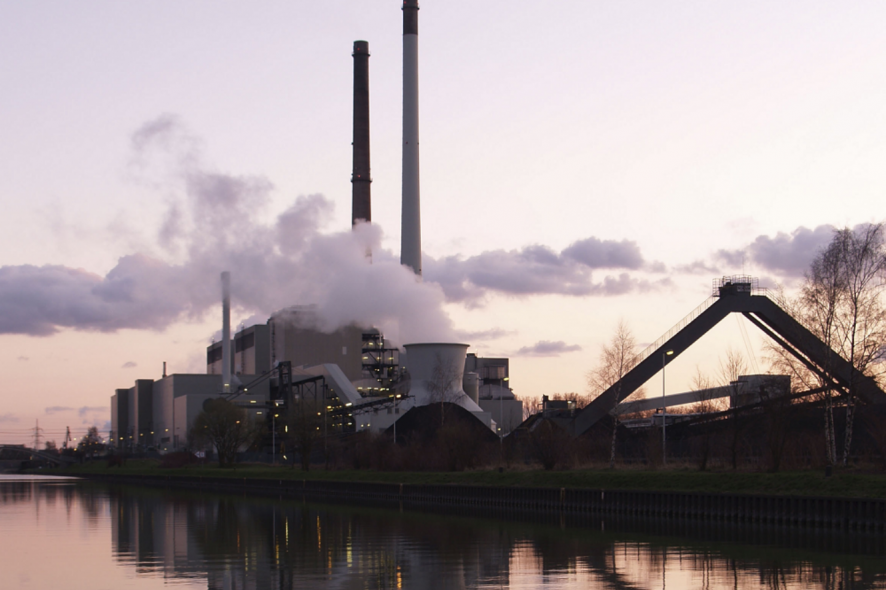
India shattered its own electricity demand records over the weekend as a severe and early-arriving heatwave pushed peak power consumption to an unprecedented 256.1 gigawatts on April 25, surpassing the previous day's record of 252.08 gigawatts in a rapid succession of demand milestones that has forced grid operators and power producers across the country to mobilize every available generation resource to keep the lights on and air conditioning running for hundreds of millions of people experiencing temperatures well above seasonal norms across multiple states simultaneously. Federal grid data confirmed the record-breaking demand figures, which represent not just a statistical milestone but a genuine operational emergency that required Grid-India, the country's national transmission utility, to coordinate an aggressive ramp-up of both coal-fired and gas-fired generation capacity to levels that tested the physical limits of available plant and fuel supply while simultaneously exposing the vulnerability of a power system that is still in the process India power demand of building the generation and transmission infrastructure needed to reliably serve the demand that a rapidly developing and increasingly heat-stressed population of 1.4 billion people is placing on it. The timing of the demand surge, arriving in late April rather than the peak summer months of May and June when Indian power systems have historically experienced their most intense stress, signals that the 2026 summer power season is developing earlier and more intensely than previous years and that the records set over the weekend may themselves be broken before the season reaches its seasonal peak.
India operated approximately 9.6 gigawatts of gas-fired generation capacity during the peak demand period, deploying plants that are typically used as peaking resources rather than baseload generation and that carry higher fuel costs than coal-fired alternatives but provide the operational flexibility needed to respond quickly to rapid demand increases during heatwave conditions. Coal-fired generation was simultaneously ramped up to around 187 gigawatts, a figure that represents the near-maximum output of available thermal capacity and that reflects the central and irreplaceable role that coal continues to play in India's electricity supply despite the country's ambitious renewable energy expansion program. NTPC, India's largest thermal power producer and a central pillar of the country's baseload generation system, confirmed that it was procuring gas through the Indian Gas Exchange and operating its plants in accordance with the operational instructions issued by Grid-India, a statement that reflects the coordinated national response to the demand emergency being managed through the grid operator's centralized dispatch system. The combination of record demand, maximum thermal output, and emergency gas procurement illustrates the degree to which India's power system is operating at or near its operational limits during the current heatwave, with very limited margin for unexpected plant outages or fuel supply disruptions without risking the kind of load-shedding that would affect homes, hospitals, businesses, and industrial operations across the country's most populated and heat-affected regions.
The meteorological backdrop against which this demand surge is occurring adds an additional layer of concern about what the coming weeks and months will bring for India's power system and for the hundreds of millions of people whose health, comfort, and economic productivity depend on reliable electricity supply during increasingly extreme summer conditions. Forecasts of the strongest El Nino weather phenomenon in a decade are expected to drive hotter and drier weather conditions across Asia throughout the 2026 summer season, meaning the record demand levels recorded over the weekend may represent not the peak of the current heatwave but an early indication of how severe the full summer season could become as temperatures continue to rise through May and June. India's power planning authorities have already anticipated this trajectory, with the country projecting peak power demand of around 270 gigawatts for the full year and expressing confidence in the ability of the system to meet that demand, but the speed with which the 256 gigawatt level has been reached before the traditionally most severe months of the summer season suggests that the 270 gigawatt projection may itself need to be revised upward if El Nino conditions intensify as forecasters expect.
How India's Power System Reached the Point of Record-Breaking Demand
India's journey to the point where its power system is regularly setting demand records and straining to meet the electricity needs of its growing and increasingly urban population is a story that combines rapid economic development, demographic change, rising living standards, and the accelerating impact of climate change into a demand growth trajectory that has consistently outpaced even the ambitious expansion of generation and transmission capacity that successive Indian governments have pursued over the past two decades. The electrification of rural India, which has extended grid connectivity to hundreds of millions of people who previously had no reliable access to electricity, has been one of the most significant achievements of India's development trajectory in recent years, but it has also contributed to a structural increase in baseline demand that makes every additional layer of weather-driven stress on the system more consequential than it would have been when a larger portion of the population was simply not connected to the grid at all.
The rapid growth in air conditioning penetration across Indian households and commercial establishments is perhaps the single most important driver of the weather-sensitive component of electricity demand that makes heatwaves so consequential for grid operations, and it is a trend that is still in its relatively early stages despite the dramatic growth in AC ownership that has already occurred in recent years. As Indian household incomes have risen and air conditioner prices have fallen, ownership rates have grown rapidly from a very low base, creating a population of hundreds of millions of people who now depend on air conditioning for thermal comfort during summer heatwaves but whose collective demand creates enormous spikes in electricity consumption during exactly the hottest periods when generation systems are simultaneously under thermal stress. The combination of more people with air conditioners, higher temperatures driving more hours of air conditioner use, and the concentration of this demand in afternoon and evening hours when solar generation is declining creates the peak demand challenge that India's grid operators are now managing at the limits of available capacity during the current heatwave.
The structural shift in India's economy toward more energy-intensive industrial and commercial activity has compounded the residential demand growth to create an overall demand trajectory that requires sustained and large-scale expansion of generation capacity just to maintain current reliability levels, let alone to improve on the supply quality that Indian consumers and businesses experience. Industrial growth, data center expansion driven by digitalization and artificial intelligence workloads, expanding urban commercial real estate, and the electrification of transportation are all adding to India's electricity demand in ways that are structural and durable rather than weather-driven and temporary, meaning that the grid investments needed to address the current heatwave emergency are part of a larger and longer-term infrastructure challenge that will require sustained capital commitment and policy attention well beyond the immediate summer season that is now testing the system's limits.
What Emergency Measures India Is Taking to Keep Pace With Record Demand
The decision to defer the scheduled maintenance of nearly 10,000 megawatts of coal-fired generation capacity from its normal timing to July represents one of the most consequential and operationally significant emergency measures that India's power planning authorities have taken in response to the demand emergency created by the current heatwave and the expectation of continuing high demand through the peak summer months that lie ahead. Maintenance deferral of this scale is not a decision that grid operators and plant managers take lightly, because postponing scheduled maintenance on thermal generation equipment creates real risks of unplanned outages that could be more disruptive and harder to manage than the planned outages that maintenance windows are designed to create in controlled and anticipated ways. The judgment that the risk of reduced generation capacity from maintenance deferral is preferable to the certainty of reduced capacity from proceeding with maintenance during the current demand emergency reflects the severity of the operational situation and the absence of any comfortable margin between available generation and the demand levels that the system must serve.
NTPC's emergency gas procurement through the Indian Gas Exchange illustrates the multi-fuel response that India's power sector is mounting to address the demand surge, deploying generation resources that carry higher variable costs than coal but that can be brought into service on relatively short notice to fill the gap between coal-fired baseload generation and the peak demand levels that the heatwave is creating. Gas-fired power plants have historically played a limited role in India's generation mix relative to their installed capacity, often running at very low utilization rates because the cost of imported liquefied natural gas makes gas-fired generation economically uncompetitive against coal during normal demand conditions. The current emergency is one of the limited set of circumstances in which the operational value of gas-fired capacity, its flexibility and dispatchability during peak demand periods, justifies the additional fuel cost of running plants that would normally be offline or operating at minimal output, and Grid-India's decision to direct NTPC to operate its gas plants at maximum output reflects a clear prioritization of supply security over generation economics during a period of record demand.
The role of renewable energy in managing the current demand surge deserves examination alongside the coal and gas ramp-up that has received the most operational attention, because India's substantial and growing solar and wind generation fleet is simultaneously contributing to the supply response and creating the integration challenges that come with managing large volumes of weather-dependent generation alongside the dispatchable thermal capacity that forms the backbone of the system's ability to meet peak demand reliably. Solar generation contributes significantly to meeting daytime demand during heatwave periods, reducing the coal and gas output needed during daylight hours, but falls to zero as the sun sets precisely when evening demand peaks as people return home and activate air conditioning that has been off during the day. This solar generation profile, valuable but temporally misaligned with evening peak demand, means that the thermal generation capacity that India is ramping up must be sized not for the average demand level but for the evening peak demand that occurs after solar output has declined, creating the need for the 187 gigawatts of coal output and 9.6 gigawatts of gas output that the current heatwave emergency has required.
What India's Demand Records Mean for Energy Policy and the Path Ahead
India's official projection that peak power demand will reach approximately 270 gigawatts during the current year, and the confidence expressed by planning authorities in the system's ability to meet that level, needs to be assessed against the context of a demand trajectory that is already at 256 gigawatts in late April before the traditionally most severe summer months have arrived and before El Nino conditions have reached their anticipated intensity peak. The gap between 256 gigawatts already recorded and the 270 gigawatt projection for the full year is only 14 gigawatts, a margin that could be consumed well before the end of the summer season if temperatures continue to rise as El Nino forecasts suggest, raising the question of whether India's generation capacity expansion and demand management programs are adequately scaled to the demand trajectory that weather and development trends are combining to produce. Planning authorities will need to continuously reassess the demand outlook and the adequacy of supply-side preparations as the summer season develops and new data on both temperatures and consumption patterns becomes available, maintaining the kind of adaptive and responsive operational management that the current emergency has required of grid operators.
The coal sector's central role in India's emergency demand response sits in complex and sometimes uncomfortable tension with the country's stated climate commitments and its ambitious renewable energy expansion program, which has set targets for dramatically increasing solar, wind, and other clean energy capacity over the coming decade. India has consistently and defensibly argued that its development stage, its population size, and its historical contribution to global greenhouse gas emissions entitle it to a gradual and managed energy transition that maintains affordable and reliable electricity for its population as a fundamental priority even where this requires continued dependence on coal generation during the transition period. The current heatwave emergency, in which coal is providing approximately 187 gigawatts of the roughly 250 plus gigawatts of generation needed to meet record demand, provides a concrete illustration of why that argument resonates with Indian policymakers and with the hundreds of millions of people whose quality of life depends on reliable electricity supply regardless of the fuel source that provides it. Transitioning away from this coal foundation in ways that maintain supply reliability during events like the current heatwave, rather than simply adding renewable capacity alongside an unchanged coal base, is the central challenge of India's energy transition that the current demand emergency has brought into particularly sharp relief.
The longer-term infrastructure investments that India needs to address the structural demand growth underlying the current emergency include not only additional generation capacity across all fuel types but substantial expansion of transmission and distribution infrastructure that can deliver power reliably from generation sources to the load centers where demand is concentrated, demand response programs that can shift flexible loads away from peak periods and reduce the maximum generation capacity needed, and energy storage systems that can bridge the gap between solar generation availability and evening peak demand in ways that reduce the requirement for thermal peaking capacity during the most critical hours of each day. These investments require sustained policy attention, regulatory frameworks that create appropriate commercial incentives, and capital mobilization at a scale that India's public and private sectors need to coordinate effectively if the country is to build the power system resilience needed to serve a growing, developing, and increasingly climate-stressed population with the reliability that modern economic activity demands.