
A short-lived Orthodox Russia and Ukraine Easter ceasefire Easter ceasefire between Russia and Ukraine collapsed into mutual accusations and reported violations just hours after it began, casting a dark shadow over what was meant to be a rare moment of peace in a war that has dragged on for more than four years. Both sides pointed fingers at each other throughout Sunday, each compiling lengthy lists of alleged breaches that ran into the thousands by the time the truce was nearing its end at midnight. What was announced as a humanitarian pause in one of Europe's most devastating modern conflicts quickly turned into yet another chapter of blame, distrust, and continued suffering for soldiers and civilians on both sides of the front line.
Russia's defence ministry stated that it had recorded 1,971 ceasefire violations overnight into Sunday alone, describing Ukrainian forces as the aggressor throughout the truce period. Ukraine's military General Staff offered a far larger figure, reporting a total of 7,696 Russian violations compiled over the entire course of the 32-hour ceasefire. The gap between these numbers reflects not just a difference in counting methods but the deep and fundamental breakdown of trust between two nations that have been locked in brutal conflict since Russia's full-scale invasion began. Neither side appeared to have genuinely honored the spirit of the pause, even as religious observance of one of Christianity's most sacred holidays continued in both countries.
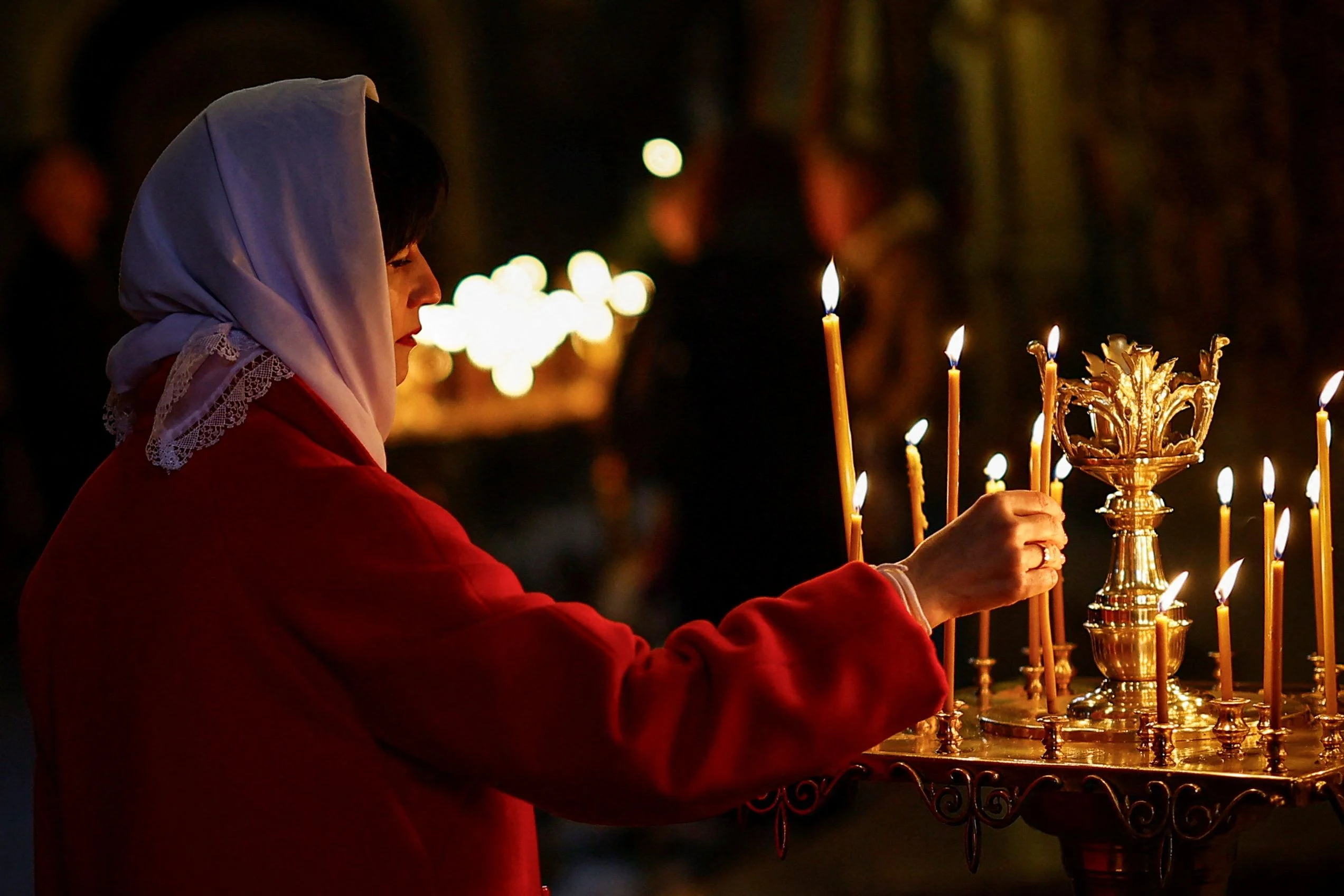
Orthodox Easter holds enormous cultural and spiritual significance across both Russia and Ukraine, with the faith dominant in both nations. This year, Easter Sunday fell on the same date according to the Orthodox calendar, making the ceasefire announcement carry particular symbolic weight. Ukrainian soldiers at a candlelit military Easter service in the Zaporizhzhia region still found themselves unable to recover the bodies of their fallen comrades, with Russian reconnaissance drones reportedly continuing to circle the area despite the supposed truce. A soldier known by the call sign Spider told those gathered at the service that his unit had wanted to evacuate their fallen comrades that day but that the Russians were not allowing them to do so, a deeply human moment that captured the gap between the official ceasefire and the reality on the ground.
What Ukraine Says Russia Did During the Easter Truce
Ukraine's General Staff released a detailed breakdown of what it described as systematic Russian violations throughout the ceasefire period, and the numbers were staggering in both their scale and their specificity. Of the 7,696 total violations reported, Ukrainian military officials said 6,226 were strikes carried out by Russian attack drones, making unmanned aerial vehicles the dominant weapon of choice during what was supposed to be a pause in hostilities. Artillery shelling incidents accounted for another 1,355 of the recorded violations, while 115 separate assault operations were also logged by Ukrainian commanders monitoring the front lines across multiple regions.
Ukraine's State Emergencies Service reported that two civilians were wounded on Sunday when a Russian drone struck the northeastern Kharkiv region, one of the most frequently targeted areas near the Russian border throughout the broader conflict. Police in the region later confirmed that a Russian drone had hit a moving car, injuring one person inside. These civilian casualties, occurring during a period officially designated as a humanitarian ceasefire, added fuel to Ukrainian arguments that Russia had never intended to honor the truce in any meaningful or sincere way and had used it primarily as a public relations exercise on the international stage.
Ukrainian officials had been skeptical of the ceasefire from the moment it was announced, and those doubts appeared to be confirmed by the volume of incidents recorded during the truce hours. President Volodymyr Zelenskiy had previously put forward his own ceasefire proposals on multiple occasions, only to have each of them turned down by Moscow. When Putin announced the Easter truce on April 9, Zelenskiy agreed to participate, but Ukrainian military commanders made clear they would continue monitoring and documenting any Russian activity throughout the period. The detailed report released by the General Staff on Sunday evening was a direct result of that monitoring effort and was clearly intended for an international audience as much as a domestic one.
What Russia Claims Ukraine Did During the Easter Ceasefire
Russia presented its own account of ceasefire violations and framed it around civilian harm caused by Ukrainian military action across the border regions. The Kremlin reported that a child was among those injured in a Ukrainian drone attack on the Kursk region, a detail that Russian state media amplified prominently as evidence that Ukraine bore equal or greater responsibility for the breakdown of the truce. The Belgorod region's governor, Vyacheslav Gladkov, reported that two people had been killed by Ukrainian shelling and that several others had sustained injuries in additional strikes across the border region throughout the day.
Vladimir Saldo, the Russia-appointed administrator of the Russian-held portions of the southern Kherson region, added further details to Moscow's account, stating that Ukrainian troops had shelled an administrative building and a private residence in two separate villages. He noted that these attacks had not caused injuries but presented them as evidence of deliberate Ukrainian targeting of civilian and administrative infrastructure during a period of supposed ceasefire. Russia's defence ministry's tally of 1,971 overnight violations was cited repeatedly by Russian officials and state media as proof that Ukraine had no genuine interest in peace and had violated the truce from the very beginning.
Kremlin spokesman Dmitry Peskov offered the official Russian framing of the ceasefire in clear and carefully chosen language on Sunday, describing it as a "humanitarian gesture" extended personally by President Vladimir Putin to mark the Orthodox Easter holiday. Peskov confirmed that Putin had instructed Russian military forces to remain on high alert throughout the truce period in case of what he called provocations from the Ukrainian side. The framing was deliberate, positioning Russia as the magnanimous party offering peace while simultaneously preparing its forces to resume full combat operations the moment the 32-hour window closed at midnight.
The Bigger Picture Behind a Failed Ceasefire
The collapse of the Easter ceasefire into mutual accusations is not surprising when viewed against the backdrop of more than four years of grinding warfare, shifting front lines, and repeated diplomatic failures. Russia and Ukraine have reached a point in this conflict where trust between the two sides has been completely eroded, and every gesture, whether military or diplomatic, is immediately viewed through the lens of strategic advantage rather than genuine intent. Short unilateral ceasefires announced by one side without extensive prior negotiation and independent monitoring mechanisms have consistently failed to hold, and this Easter truce followed the same predictable pattern that analysts had warned about before it even began.
The human cost of this ongoing cycle of failed truces and continued fighting continues to mount in ways that statistics alone cannot fully capture. Ukrainian soldiers spending Orthodox Easter at candlelit services in active combat zones, unable to retrieve fallen comrades from the battlefield, represent the daily reality of a war that has no end currently in sight. Civilians in Kharkiv, Kursk, and Belgorod continue to face drone strikes and shelling that treat ceasefire announcements as background noise rather than meaningful operational constraints. The gap between what political leaders announce at the level of official statements and what soldiers and civilians experience on the ground remains as wide as it has ever been throughout this conflict.
International observers and Western governments have consistently called for a more durable and verifiable ceasefire framework backed by neutral monitoring bodies capable of documenting violations from both sides simultaneously. The Easter truce had none of those structural elements in place, relying instead on the goodwill of two parties who have demonstrated repeatedly that goodwill alone is not a sufficient foundation for stopping a war of this scale and complexity. Until a genuinely negotiated framework with accountability mechanisms is established, short ceremonial ceasefires are likely to continue producing exactly the kind of mutual recrimination and continued violence that defined the Orthodox Easter pause from its very first hours.