
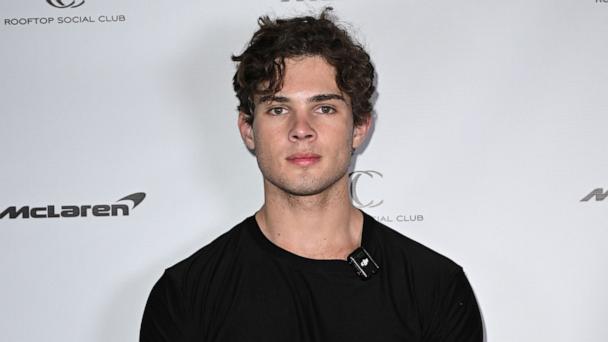
Braden Eric Peters, known online as "Clavicular," is a 20-year-old social media personality who built his following around looksmaxxing a growing online subculture where creators document extreme physical self-improvement routines to enhance their appearance. His content attracted a significant audience drawn to the obsessive, often shocking measures he took in pursuit of an idealized look.
Peters became one of the more recognizable faces in the looksmaxxing niche, mixing personal documentation with provocative content that often pushed boundaries. His online presence gave him a platform well before any legal trouble surfaced, making him a polarizing figure even within the communities that followed him.
The case that put Peters in the spotlight, however, had nothing to do with beauty routines. It was a March 2024 incident in the Florida Everglades that would lead to criminal charges, a no-contest plea, and a court-ordered resolution that now shapes his future both online and off.
What Happened in the Everglades? The Alligator Shooting Livestream Explained
On March 26, the incident unfolded during a livestreamed airboat ride in the Everglades Wildlife Management Area, located west of Miami. Footage from the stream appeared to show multiple gunshots being fired into swamp water, with witnesses and investigators pointing to the apparent targeting of an alligator in a protected wildlife area.
Hours after the video circulated online, the Florida Fish and Wildlife Conservation Commission confirmed it was aware of footage showing individuals on an airboat apparently discharging firearms at a protected animal. The agency launched an investigation that would eventually result in criminal charges against Peters and two others who were present during the trip.
Peters' attorney, Jeffrey Neiman, previously stated that his client was following the directions of a licensed airboat guide during the outing and emphasized that no animals or people were confirmed harmed. That framing played a role in how the case was ultimately resolved in court.
Clavicular Plea Deal: What the Court Ordered
Peters pleaded no contest in a Florida court as part of a negotiated resolution to the unlawful firearm discharge charges against him. Under the terms of the agreement, he was sentenced to six months of probation and required to complete firearms and wildlife safety courses, along with 20 hours of community service.
One notable condition attached to his community service stands out in the context of influencer culture the hours he serves cannot be livestreamed or monetized in any way. That restriction directly addresses concerns about creators turning legal consequences into content opportunities.
Importantly, if Peters fulfills all the terms of the deal, the case can be cleared from his record. His attorney confirmed he has accepted responsibility and described the resolution as one that "appropriately reflects the circumstances of this incident."
Andrew Morales and Baby Alien: Co-Defendants in the Case
Peters was not alone on that airboat. Fellow social media personality Andrew Morales, known to his followers as "The Cuban Tarzan," also faced charges in connection with the same incident. Morales likewise pleaded no contest and received a similar deal to the one Peters accepted, reflecting that the court treated both cases comparably.
A third individual, Yabdiel Anibal Cotto Torres widely recognized online as "Baby Alien" was also charged in relation to the Everglades incident. Unlike Peters and Morales, Torres had not yet entered a plea at the time of the others' resolution, with a court appearance scheduled for May 20.
The involvement of multiple social media figures in a single wildlife incident brought unusual attention to the case, turning what might have been a routine wildlife violation into a story that crossed into entertainment, legal, and digital culture coverage simultaneously.
What This Case Means for Influencers and Wildlife Law
The outcome of the Clavicular alligator shooting case carries a broader message for content creators who use outdoor or wildlife settings to generate viral content. Florida's wildlife protection laws apply equally regardless of follower counts, and the no-monetization clause in Peters' community service is a sign that courts are beginning to account for the specific dynamics of influencer culture.
Wildlife management areas in Florida, including the Everglades, are protected under strict regulations governing firearm discharge, and violations can carry serious consequences even without confirmed animal harm. The case reinforces that livestreaming an incident does not insulate someone from legal accountability in fact, it often accelerates it.
For the looksmaxxing community and influencer culture more broadly, the case is a reminder that audience reach amplifies both visibility and consequences. What gets streamed can just as easily become evidence.