
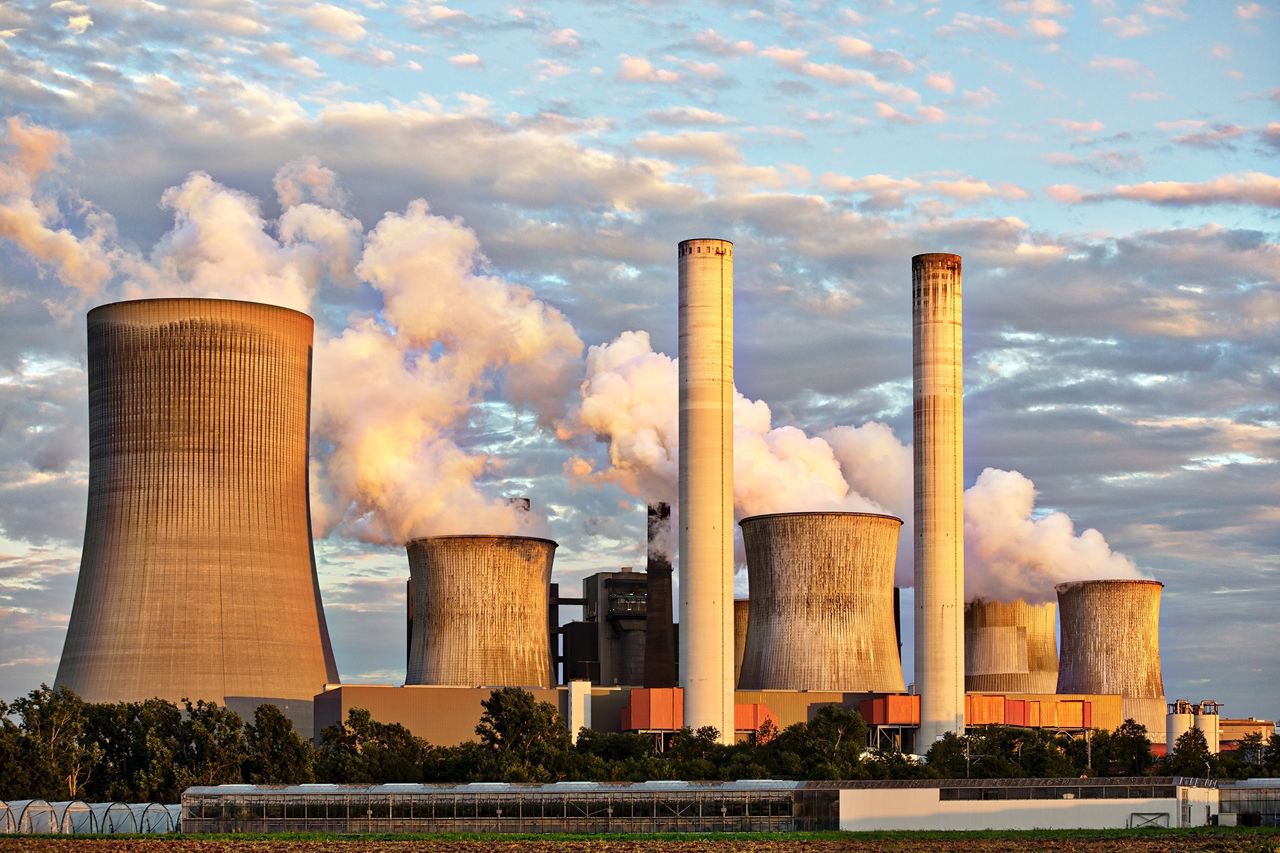
Hungary Paks Nuclear Plant expansion review 2026 has been announced by the economy and energy ministerial nominee Istvan Kapitany, who told a parliamentary hearing on Monday that the new government will examine the financing, costs, and implementation conditions of the 12.5 billion euro project to expand the Paks nuclear power plant with two Russian-made VVER reactors, reviewing classified contracts that the incoming administration has not yet seen and that critics have long cited as one of the most problematic legacies of former prime minister Viktor Orban's close relationship with Moscow. The expansion project was awarded in 2014 without a competitive tender to Russia's state nuclear corporation Rosatom, a decision that political observers frequently cited as a defining example of the Budapest-Moscow alignment that Peter Magyar, sworn in as prime minister on Saturday after his landslide election victory, has explicitly committed to dismantling as part of a broader effort to restore Hungary's standing within the European Union. Magyar said last month that the project's cost was over-inflated, a claim that Rosatom said it was ready to justify.
Kapitany's statement that Hungary needs a transparent nuclear strategy and that the classified contracts governing the Paks 2 expansion must be examined establishes the investigative framework through which the new government will assess whether the project should proceed, be renegotiated, or be restructured in ways that address both the financial concerns Magyar has raised and the broader governance concerns about contracts awarded without competition. The review represents one of the most consequential early decisions the new government must make, because the Paks 2 project involves a decade-long commitment to Russian technology, Russian financing through a state loan, and Russian contractor involvement that sits uncomfortably with Magyar's EU-aligned foreign policy orientation and the EU's broader effort to reduce European energy dependence on Russian state enterprises. Kapitany confirmed that nuclear power would continue to play an important role in Hungary, signalling that the review is about the terms and governance of this specific project rather than a retreat from nuclear energy as a component of Hungary's electricity generation mix.
The foreign minister nominee Anita Orban told a separate parliamentary committee that her first task would be to rebuild the trust in Hungary that was eroded under the previous government, identifying the diplomatic rehabilitation mission as the priority that defines her appointment alongside the specific legislative and institutional reforms needed to demonstrate to EU partners that Hungary's governance quality has genuinely changed rather than simply changed its rhetorical posture. She outlined the legislative agenda required to support that trust rebuilding, including laws ensuring judicial independence, transparent public tenders, anti-corruption mechanisms, verifiable wealth declarations, and trackable EU fund use, a comprehensive list that addresses precisely the rule of law concerns that the European Commission had been pressing Hungary on throughout the Orban period and that had resulted in the suspension of EU cohesion fund disbursements that constrained the previous government's fiscal flexibility.
How the Paks 2 Project Became a Symbol of Orban's Moscow Alignment
The decision to award the Paks nuclear expansion contract to Rosatom without a competitive tender in 2014 was controversial from the moment it was announced, drawing criticism from EU institutions, transparency organisations, and Hungarian opposition groups who argued that a project of this scale and strategic importance required the open procurement process that EU single market rules and basic governance standards demand. The no-tender award was possible because Hungary invoked national security exemptions that allow states to exclude certain sensitive procurements from standard tender requirements, but critics argued that the exemption was being used to justify a politically motivated contract award rather than a genuine security necessity, and that the classification of the project documents prevented the kind of independent scrutiny that public accountability requires.
The 12.5 billion euro project value, financed substantially through a Russian state loan, created a financial dependency on Moscow that reinforced the energy and political dependency that Orban's Hungary had been building through the period when Europe was first becoming aware of the strategic risks of its Russian energy reliance. While other European countries were beginning to worry about their dependence on Russian gas following the 2014 Crimea annexation, Hungary was signing a major nuclear expansion deal that would deepen its technological and financial relationship with the Russian state well into the 2050s. The project's delays, which have pushed its originally projected completion dates years into the future, have increased costs while providing no operational benefit, making the financial case for the original decision progressively harder to defend on pure economic grounds.
Rosatom's offer to justify the project's price tag in response to Magyar's over-inflation allegation suggests the Russian state nuclear company has a prepared defence of the contract economics, but Kapitany's insistence on reviewing the classified contracts before the government can assess those justifications reflects the appropriate sequencing of a genuine review: the incoming government needs to see the documents before it can evaluate claims about their reasonableness. The classification of the contracts was itself a governance failure that the previous government imposed, preventing Hungarian parliamentarians, journalists, and public auditors from independently assessing whether the project's terms served Hungary's national interest or primarily served the interests of the parties who negotiated them.
Viktor Orban's EU Conflicts and the Diplomatic Damage That Must Be Repaired
Viktor Orban's 16 years in power were characterised by a systematic confrontation with EU institutions over rule of law, judicial independence, media freedom, minority rights, and anti-corruption standards that the European Commission identified as systemic departures from the democratic values that EU membership requires. The result was a progressive deterioration in Hungary's access to EU funds, with the European Commission freezing billions of euros in cohesion funding over governance concerns, and a deepening isolation within EU councils where Hungary's blocking of Ukraine aid and its maintenance of close Moscow relations made it an increasingly difficult partner for the overwhelming majority of EU member states who were seeking to coordinate a unified response to Russia's war. The diplomatic damage of this extended period of conflict is not simply a matter of personal relationships between officials but of institutional trust, formal legal proceedings, and the accumulated political history that Magyar's new foreign minister must work to overcome.
Anita Orban's identification of judicial independence as the first legislative priority for restoring EU trust directly addresses the core of the European Commission's rule of law concerns about Hungary, which centred on changes to the judicial system that critics argued reduced the independence of courts and concentrated judicial appointment and management powers in ways that made Hungarian courts less reliable as guarantors of EU law application. The rule of law conditionality that EU institutions apply to cohesion fund disbursements requires demonstrable and verifiable improvements in judicial independence, public procurement transparency, and anti-corruption enforcement, and the legislative agenda Anita Orban outlined maps closely onto those specific conditionality requirements. Delivering that legislation quickly will be essential for restoring Hungary's access to the frozen EU funds that the new government needs to finance its ambitious social and economic programme.
The Review Process, EU Relations Reset, and What Magyar Must Deliver
The Paks 2 contract review sits at the intersection of Hungary's energy policy, its foreign policy orientation, and its EU relations in ways that make it one of the most complex early decisions any new government could face. Cancelling or fundamentally renegotiating the project would require confronting Russia over a state-backed contract that has legal and diplomatic dimensions whose complexity legal experts have noted, potentially creating a dispute with Moscow at a moment when Hungary is simultaneously trying to reset its relationship with Brussels and manage the economic consequences of a transition from Orban's Russia-aligned posture. Proceeding with the project as designed would undermine the EU-alignment message that Magyar's election was built around and would raise questions about whether the new government's commitment to transparency extends to the most expensive and politically sensitive contract in Hungary's recent history.
The review framework that Kapitany has outlined, examining financing, costs, and implementation conditions before making any decisions, is the procedurally appropriate approach that allows the government to gather the information it needs before committing to a course of action. The classified nature of the contracts means this review cannot be conducted in public, but Kapitany's commitment to transparency as a governing principle creates an obligation to share the findings with parliament and the public to the extent security considerations permit. European Commission officials will be watching the Paks 2 review closely as an early indicator of whether Magyar's government is willing to address the structural governance concerns that EU institutions have raised, because the no-tender award and classified contracts are precisely the kind of public procurement irregularities that the rule of law conditionality framework targets.
Anita Orban's legislative agenda for judicial independence, transparent public tenders, anti-corruption enforcement, wealth declarations, and EU fund tracking represents the institutional reform programme that the EU-Hungary relationship reset requires, and its implementation timeline will determine how quickly the frozen cohesion funds can be released to support the new government's fiscal plans. The chamber hearing format in which both ministerial nominees presented their priorities is itself a governance signal, indicating a government that expects parliamentary scrutiny of its plans rather than treating oversight as an obstacle to executive action. Whether the ambitious legislative programme can be delivered within the timeframes that both the EU's conditionality requirements and Magyar's own electoral mandate demand will determine whether the optimism that German investors and financial markets have expressed in the first weeks of the new government translates into the sustained economic improvement that Hungary's three years of stagnation made urgently necessary.