
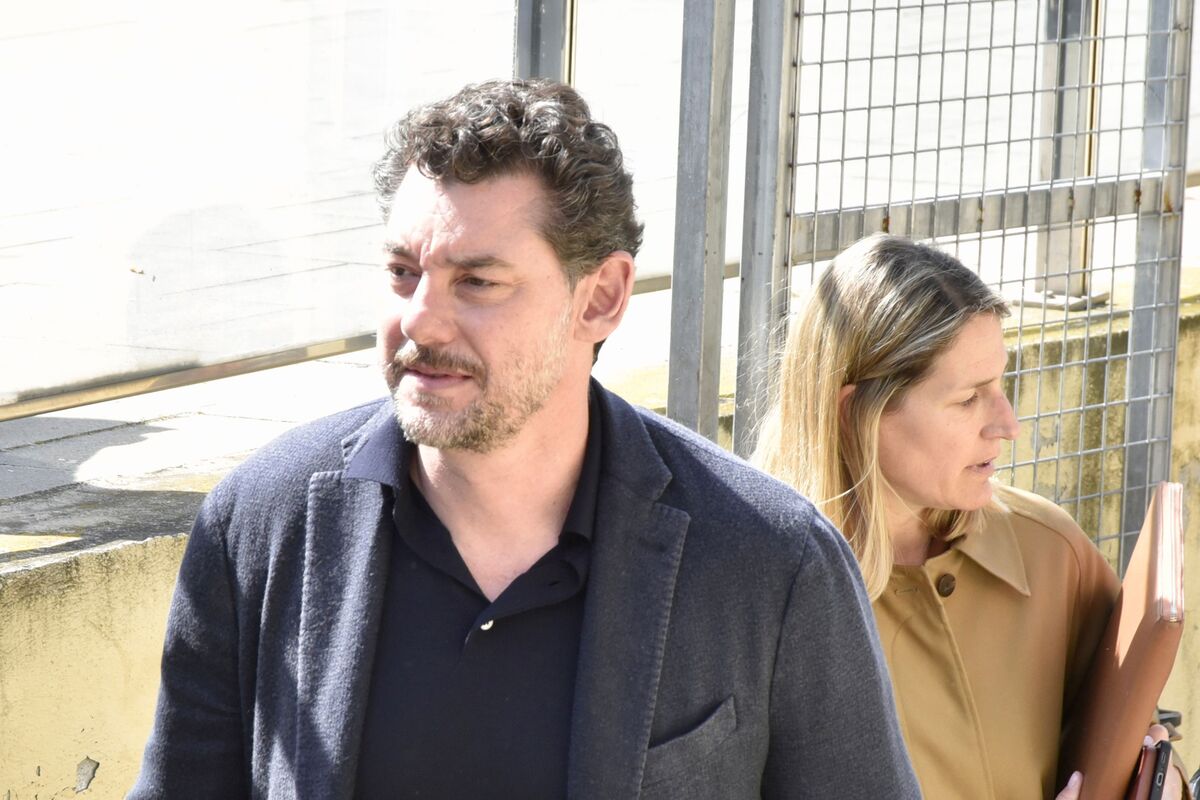
Jonathan Andic, vice chairman of Spanish fashion giant Mango, announced on Tuesday that he is stepping back from his leadership role after a Spanish court named him a suspect in the death of his father, Isak Jonathan Andic Mango, founder of the company. He addressed the public directly through an open letter, insisting that the narrative surrounding him is distorted and taken out of context.
Isak Andic died in December 2024 after a fall of more than 100 metres from a cliff during a hiking trip with his son in the mountains outside Barcelona. At the time, the death was treated as a tragic accident. It was only recently that a Spanish court reviewed the circumstances and named Jonathan Andic a formal suspect, triggering a major shift in both legal proceedings and public perception.
Jonathan, aged 45, had been appointed executive vice president of Mango's holding company in January 2025 just six weeks after his father's death. His rapid elevation to leadership now faces intense scrutiny as investigators examine whether the fall was deliberate. He stated that clearing his name would require "time, effort and intense dedication," signalling a prolonged legal battle ahead.
What the court's writ revealed about the investigation
The judge's writ cited sufficient evidence to suggest that Isak Andic's death may not have been accidental. It stated that Jonathan Andic "played an active and premeditated role" in the incident language that signals a serious elevation in the severity of allegations against him. Spanish legal proceedings at this stage indicate suspicion rather than a confirmed charge, but the wording of the writ drew immediate attention worldwide.
The writ also referenced Jonathan's WhatsApp messages, which investigators say contained "feelings of hatred, resentment and thoughts of death, and blaming his father for his situation." It further described a deteriorated relationship between father and son, rooted in what the court characterised as Jonathan's obsession with money. These private communications have become a central piece of the prosecution's emerging argument.
Jonathan strongly disputed this portrayal of their relationship in his open letter. He acknowledged that, like many families, they faced difficult and challenging periods, but insisted those were overcome through "great effort, generosity and support." He described their time together as including "many happy, cherished and loving moments" directly contradicting the picture painted by prosecutors and leaked court documents.
Mango's board backs Jonathan Andic despite ongoing legal proceedings
In a show of institutional solidarity, members of Mango's board issued a formal statement on Tuesday expressing full confidence in Jonathan Andic. The board said it trusted that "legal proceedings will be resolved favourably" and that it hoped for a swift resolution. The statement is notable given the gravity of the allegations, and suggests that the company's leadership remains closely aligned with Jonathan despite the investigation.
Mango is one of Spain's most recognised global fashion brands, with operations across more than 115 countries. Isak Andic built it from a single store in Barcelona in 1984 into a multibillion-euro enterprise, making his death and the subsequent allegations against his son an unusually high-profile case for both the business world and the Spanish judicial system.
The decision to step back from the vice chair role is seen as a strategic move to protect Mango's reputation while the legal process unfolds. Jonathan's temporary absence allows the company to continue operations without the board facing questions about whether it is shielding a suspect from accountability a balance that many family-run enterprises struggle to strike during personal legal crises.
Past events that led to the current investigation
In December 2024, Isak Andic and his son Jonathan went on a hiking trip to the mountains outside Barcelona. During the outing, Isak fell from a cliff at a height exceeding 100 metres. Emergency responders recovered his body, and initial reports treated the incident as a tragic accidental death in difficult mountain terrain. No criminal suspicion was publicly reported at that time.
Weeks after the death, Jonathan Andic was formally installed as executive vice president of Mango's holding company in January 2025, stepping into a leadership vacuum created by his father's absence. The speed of his appointment drew little scrutiny at the time, as succession planning within family-owned groups often moves quickly following the death of a founder.
It was only after investigators reviewed digital evidence including Jonathan's private messages that the case took a criminal turn. The Spanish court's decision to name him a suspect came in late May 2026, more than a year after the death, following what appears to have been a thorough review of communications, forensic evidence, and the dynamics of the father-son relationship.
What happens next in the Mango leadership and legal case
With Jonathan Andic temporarily stepping back, Mango's board is expected to manage the company's day-to-day leadership collectively while the legal process plays out. Spain's judicial system does not require a suspect to step down from private roles unless a court orders it, meaning Jonathan's exit was voluntary likely advised by legal counsel seeking to minimise reputational damage to the brand and the family.
Legal analysts following the case note that being named a suspect in Spain does not constitute a formal charge. The court must weigh the available evidence further before deciding whether to proceed to trial. Jonathan's defence team will have the opportunity to challenge the claims made in the writ, including the characterisation of his WhatsApp messages and the alleged motive centred on financial disputes.
For Mango, the coming months will test how effectively the brand can separate its corporate identity from the personal legal troubles of its leadership family. The company's global reputation, built over four decades by its founder, now rests on both the outcome of a court case and its ability to demonstrate that its governance structures are robust enough to withstand a crisis of this magnitude.