
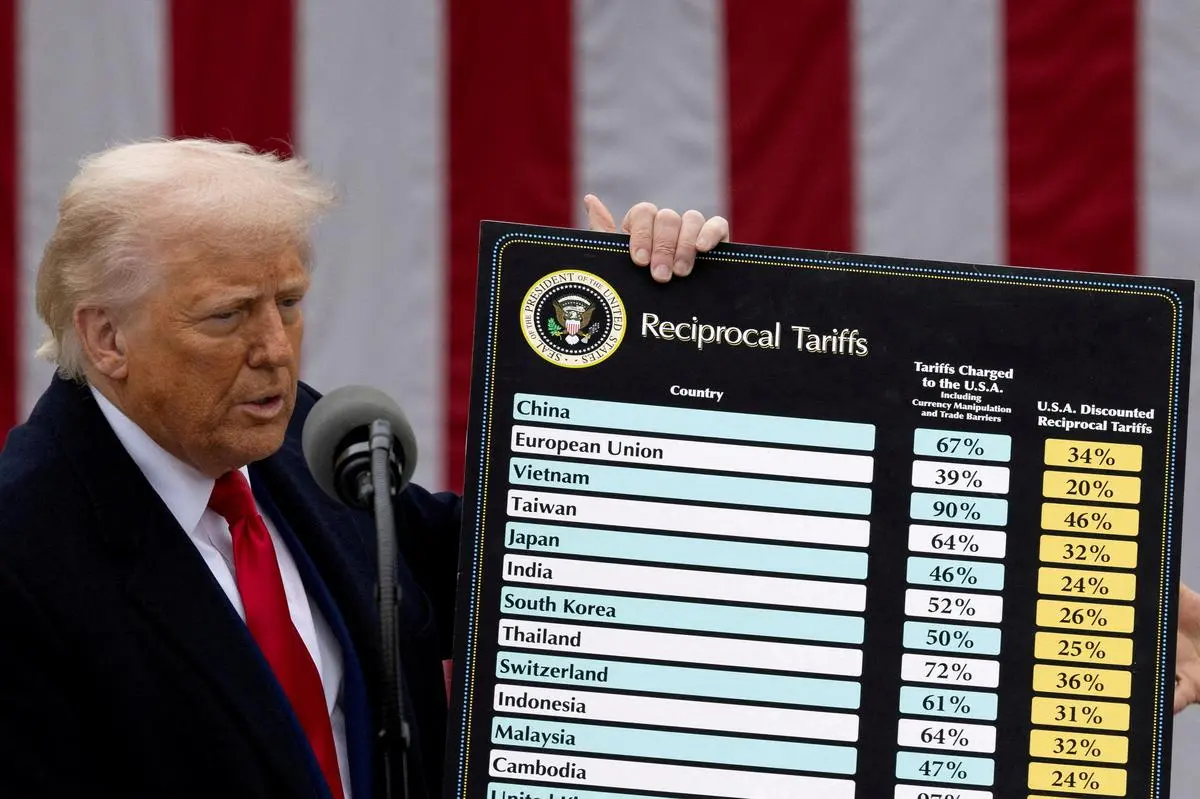
EU US trade deal import duties Trump tariff July 2026 deadline is pushing European Parliament and Council negotiators into a final round of talks that began Tuesday evening, with EU lawmakers confident a legislative deal will be struck late Tuesday or very early Wednesday to implement the trade agreement struck at Trump's Turnberry golf resort in Scotland last July before the U.S. president's threatened tariff escalation materalises. Under the Turnberry deal, the EU agreed to remove import duties on U.S. industrial goods and grant preferential access to American agricultural and seafood products in exchange for the United States imposing tariffs of 15 percent on most EU exports, a mutual reduction framework that was presented at the time as a significant diplomatic achievement but whose European legislative implementation has been delayed by nearly ten months of internal EU political disagreement about the safeguards that should accompany the duty reductions. Trump's July 4 deadline for the EU to implement its commitments, backed by the threat to raise tariffs on EU car imports to 25 percent from the current 15 percent, creates the external deadline pressure that both the European Parliament and the Council representing EU member governments now face in their final negotiating session.
The delay between the July 2025 Turnberry deal and the May 2026 legislative talks reflects the specific institutional complexity of European trade governance, where agreements reached by negotiators at the political level require separate legislative implementation through the European Parliament and the Council before they can take legal effect, and where the two institutions must agree on the legislative text through a trialogue process that can extend considerably beyond the timeline that the political agreement's parties anticipated. EU lawmakers have twice paused the required legislation during this period, once following Trump's threats to impose new tariffs on European allies who did not back his proposed acquisition of Greenland, and once after the U.S. Supreme Court struck down Trump's global tariffs, creating the legal uncertainty that made rushing the European legislative process toward a deal whose American side might be simultaneously invalidated by U.S. courts appear strategically unwise. Those pauses have now compressed the remaining implementation window into the final weeks before the July 4 deadline, creating the legislative urgency that Tuesday's final negotiating session is designed to resolve.
The internal EU division between the European Parliament and the Council over the deal's safeguard provisions is the substantive political disagreement that has most directly slowed the legislative process, with Parliament lawmakers seeking tougher protections including a sunrise clause requiring the United States to fulfil its commitments before EU duties are reduced, suspension mechanisms allowing the EU to reimpose duties if the U.S. breaches the agreement, and a sunset clause ending EU tariff concessions on March 31, 2028. EU member governments represented in the Council have shown less appetite for these safeguard provisions, concerned that stronger conditional language would antagonise the Trump administration and create the business investment uncertainty that EU companies exposed to trans-Atlantic trade need to avoid in the current economic environment. The tension between Parliament's institutional interest in robust safeguards and the Council's pragmatic concern about provoking Trump response has been the central negotiating dynamic throughout the ten-month legislative process.
How the Turnberry Deal Was Struck and Why Implementation Has Been So Difficult
The trade deal struck at Trump's Turnberry golf resort in Scotland in July 2025 represented a significant de-escalation of the US-EU trade tensions that had been building since Trump's return to office and his imposition of broad tariffs on European goods that the European Commission had responded to with retaliatory measures creating an escalating cycle of mutual trade restriction. The Turnberry framework exchanged European concessions on import duties for American agreement to maintain the 15 percent tariff rate on EU goods rather than escalating to the much higher levels that Trump had been threatening, providing both sides with the basis for a claim of negotiating success while establishing a new baseline for trans-Atlantic commercial relations that is substantially less favourable for European exporters than the pre-tariff environment that existed before Trump's second term. The EU's removal of import duties on U.S. industrial goods and the preferential access granted to American agricultural and seafood products were concessions that European farm organisations and manufacturing industries viewed with considerable concern, creating domestic political pressure on European governments and legislators that has complicated the implementation process.
The agricultural components of the Turnberry deal have been particularly sensitive within the European legislative process because European farming communities have strong political organisation and significant representation in both the European Parliament and the national governments that compose the Council, and because the preferential access granted to American agricultural and seafood products directly affects the commercial position of European farmers whose products compete with American imports in European markets. The safeguard provisions that European Parliament lawmakers have been pushing hardest for include protections specifically designed to address the scenario where American agricultural exports take greater-than-anticipated market share from European producers, creating the political pressure for suspension mechanisms that the Council representing those same agricultural-country governments has been simultaneously trying to moderate to avoid antagonising Trump. This internal contradiction within the EU's own political economy has been one of the deeper structural obstacles to legislative implementation.
The two legislative pauses that EU lawmakers imposed during the implementation process reflect the genuine legal uncertainty that the American side of the trade equation has introduced, with the U.S. Supreme Court's striking down of Trump's global tariffs creating a period in which the durability of the American tariff commitments that formed the basis of the Turnberry deal was genuinely in question. A European Parliament that moved rapidly to implement EU duty reductions during a period when the American tariff framework whose maintenance justified those reductions was being challenged in U.S. courts would have been exposed to the criticism that it was giving away European tariff concessions without assurance that American reciprocal commitments were legally sustainable. The legislative caution that produced the pauses was institutionally defensible even if its practical effect has been to delay implementation to the point where Trump's July 4 deadline has become the forcing mechanism.
The 15 Percent US Tariff Rate and What It Represents for EU Exporters
The 15 percent tariff that the United States is currently imposing on most EU goods under the Turnberry framework, while significantly higher than the near-zero tariffs that governed trans-Atlantic trade in the pre-Trump period, represents a negotiated floor that European exporters have accepted as the new normal while simultaneously fearing that failure to implement the EU side of the deal will allow Trump to raise the rate substantially. The 25 percent car tariff threat that Trump has made conditional on EU implementation by July 4 is the specific escalation risk that the automotive industry, one of Europe's most economically significant export sectors, has been most focused on, because the difference between 15 and 25 percent tariffs on car exports to the United States directly affects the price competitiveness and therefore the sales volumes of European vehicles in the American market. German, French, Italian, and other European automakers whose exports to the United States constitute a significant portion of their production have been among the most active lobbying voices for legislative implementation, because their commercial interests are most directly threatened by the tariff escalation that legislative delay risks.
The broader European export community affected by the 15 percent baseline tariff has been managing its US market pricing, supply chain organisation, and investment decisions around the assumption that this rate represents the stable foundation of the trans-Atlantic trade relationship for the foreseeable future, and the uncertainty created by the ongoing implementation delay has added to the business planning difficulty that elevated tariffs have already imposed. The sunrise clause that Parliament is seeking, under which EU duty reductions would only take effect when the United States fulfilled its side of the deal, represents the logical reciprocity principle from the European side's perspective but is being resisted by EU governments who worry it introduces the kind of conditionality that could trigger American reaction and create precisely the uncertainty that businesses have been trying to plan around.
Tuesday's Negotiating Session, the July 4 Deadline, and What Must Be Agreed
The three safeguard provisions that European Parliament negotiators have been most insistent on, the sunrise clause, the suspension mechanism, and the March 31, 2028 sunset clause, each address a different dimension of the risk that the EU takes by reducing import duties on American goods in advance of assured American reciprocity. The sunrise clause addresses the sequencing risk that the EU implements its side before the United States fulfils its commitments, creating the possibility that EU duties are already reduced while American tariffs remain at the current or higher levels, effectively giving away the negotiating leverage that the threat of maintained EU duties provides. The suspension mechanism addresses the enforcement risk that once EU duties are reduced there is no automatic remedy if the United States subsequently breaches the deal's terms, requiring a new legislative process to reimpose duties rather than having a pre-agreed trigger for their restoration. The sunset clause addresses the durability risk that the EU makes open-ended concessions on duties that are locked in regardless of how the broader trade relationship evolves after 2028.
EU member governments' resistance to these provisions reflects their assessment that the political cost of including conditional language that the Trump administration might interpret as reflecting distrust or bad faith outweighs the legal protection that the provisions would provide, particularly given that Trump has demonstrated his willingness to respond to European actions he dislikes with tariff threats that create immediate business uncertainty regardless of the legal merits of the European position. A deal that includes strong conditional language may be legally superior to one without it but commercially inferior if its conditionality provisions trigger an American response that adds to the tariff environment rather than stabilising it. The Council's preference for cleaner implementation without elaborate safeguards reflects a political judgement about managing the Trump relationship as much as a legal assessment of the provisions' necessity.
Assuming Tuesday evening's negotiating session produces the deal that EU lawmakers are confident will be reached, the legislative timeline runs to a mid-June final European Parliament vote that would implement the duty reductions before Trump's July 4 deadline. The two to three weeks between a Tuesday or Wednesday deal and the mid-June parliament vote provide sufficient time for the formal parliamentary processes required to finalise the legislation if the political agreement is reached quickly enough that the legislative calendar can accommodate the required stages. The July 4 deadline itself carries symbolic as well as commercial significance in the Trump administration's framing, with the American independence day creating the kind of date-specific ultimatum that Trump has consistently deployed in trade negotiations to create pressure and mark diplomatic moments.