
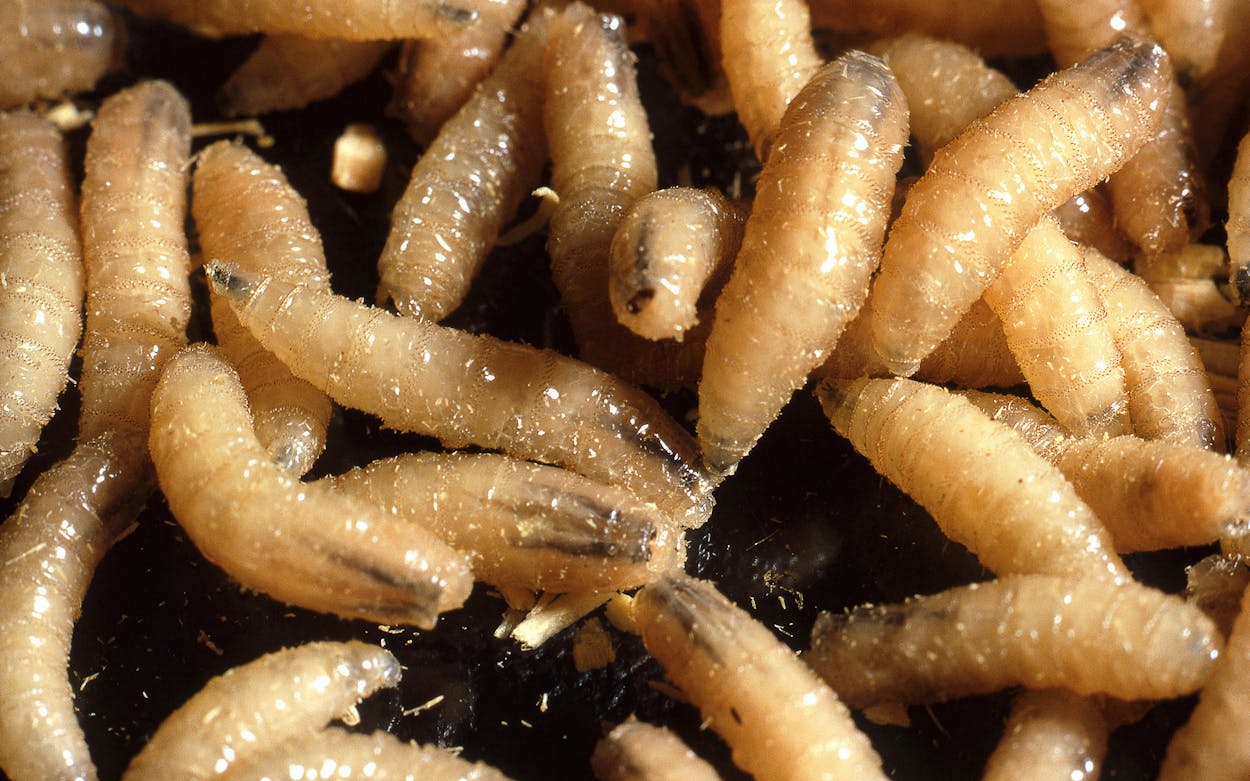
The United States has confirmed its first case of New World Flesh-eating screwworm (NWS) in nearly six decades and the healthcare and agricultural communities are on high alert. Detected in a three-week-old calf in La Pryor, Texas roughly 30 miles from the Mexican border this parasitic threat is no longer just a distant concern. For public health professionals, veterinarians, and the pharmaceutical sector, the arrival of this flesh-eating parasite signals an urgent need for coordinated preparedness.
The USDA confirmed the case on Wednesday, noting that the larva was found in the calf's umbilical area. It has been advancing northward through Central America and Mexico for over a year, with federal agencies working hard to delay its crossing. Unfortunately, that moment has now arrived and the healthcare implications are wider than many people realize.
What Is New World Screwworm and Why Should Healthcare Professionals Be Concerned?
New World Screwworm is a parasitic fly (Cochliomyia hominivorax) whose females deposit eggs in open wounds, mucous membranes, and moist body cavities of warm-blooded hosts. Once the eggs hatch, the larvae equipped with sharp, hook-like mouthparts burrow actively through living tissue, causing a condition known as myiasis. Without early treatment, the infestation can be fatal to the host animal.
While the primary concern remains livestock, NWS can also infest humans and pets, making it a legitimate public health issue. Human cases are rare but documented, particularly in individuals with open wounds, elderly patients, or immunocompromised individuals who may be less able to detect or respond to early signs. The medical community must treat this not purely as a veterinary crisis but as an emerging zoonotic health risk requiring cross-sector vigilance.
For healthcare providers in border regions and rural Texas, this means brushing up on the clinical signs of cutaneous myiasis which can present as a painful, rapidly expanding wound with visible larval movement and knowing the appropriate treatment protocols. Early identification is critical, as the infestation progresses quickly once it takes hold.
How Screwworm Spreads And the Pharmaceutical Response Being Deployed
The most common pathway for NWS transmission is the movement of infested animals. A single infected animal crossing state or county lines can trigger a rapid regional outbreak. In response, both USDA and Texas state authorities are establishing a 20-kilometer detection and quarantine zone around the confirmed La Pryor case. Livestock movement in and out of the zone is being tightly monitored to prevent further spread.
On the biological control side, one of the most effective interventions being deployed is the release of sterile male screwworm flies. Since female NWS flies mate only once in their lifetime, mating with a sterile male renders her eggs unfertilised effectively breaking the reproductive cycle. Millions of these sterile flies are being prepared for aerial release, a method successfully used to eradicate NWS from the US back in 1966.
From a pharmaceutical and veterinary medicine standpoint, treatment options for confirmed NWS myiasis include topical and systemic antiparasitic agents. Ivermectin and organophosphate-based pour-on treatments are commonly used in livestock, while human cases have been managed with ivermectin, manual larval removal, and wound care under medical supervision. The pharmaceutical supply chain in affected regions needs to prepare for increased demand of these products as monitoring intensifies.
Public Health Risk, Human Cases, and What Patients Should Know
While officials have been careful to clarify that NWS poses a low risk to humans, that message requires careful nuance in clinical settings. The fly does not target humans by preference, but it will infest any warm-blooded host with an open wound. Farm workers, outdoor laborers, hikers near livestock areas, and pet owners in South Texas should be educated on recognition and prevention. Wounds no matter how minor should be cleaned, covered, and monitored closely.
Symptoms in humans include unusual pain around a wound, swelling, a foul-smelling discharge, and visible movement within the wound if larvae are present. Patients often describe a sensation of crawling or movement beneath the skin. Healthcare providers should not dismiss these symptoms, particularly in individuals with recent livestock exposure or travel through endemic regions.
The USDA has confirmed that the screwworm poses no food safety risk meat and dairy products from infested animals are not dangerous for human consumption. However, the broader economic ripple effect smaller cattle herds, reduced beef production, and rising meat prices does have indirect implications for nutrition security and cost-of-living, particularly for lower-income households that depend on affordable protein sources.
Government Response: Speed, Sterile Flies, and Gaps in Coordination
Agriculture Secretary Brooke Rollins confirmed that USDA personnel have already been deployed to South Texas to support containment operations. She called on all livestock producers to remain vigilant, check their animals daily for signs of infestation, and report any suspected cases immediately to state veterinarians. Early reporting is the single most effective tool available right now.
However, not everyone is satisfied with the pace of the federal response. Texas Agriculture Commissioner Sid Miller publicly criticized the USDA's approach, stating that the agency moved too slowly and relied exclusively on sterile fly release a method that takes years to achieve full population suppression while ignoring other available control tools. This tension between federal and state authorities could slow the coordinated response that experts say is essential in the critical early weeks.
For the pharmaceutical and medical supply industries, this moment is a reminder that zoonotic threats can scale quickly. Stockpiling antiparasitic medications, training rural clinicians on myiasis identification, and increasing veterinary diagnostic capacity in border regions are all reasonable and proactive steps. The USDA has acknowledged that its preparation efforts delayed NWS arrival by approximately one year which means the infrastructure for response exists, but it must now shift into full execution mode.