
A new wave of US Iran air strikes between the United States and Iran erupted over the weekend, shattering what remained of a fragile ceasefire and delivering another blow to diplomatic efforts that had appeared, briefly, to be converging toward a deal. US Central Command confirmed it carried out strikes on Iranian radar installations and command and control sites for drones in Goruk, Iran, and on Qeshm Island, describing the action as self-defence in response to Iran's shootdown of a US MQ-1 drone operating over international waters. Iran's Islamic Revolutionary Guard Corps responded by claiming it struck the airbase from which the US had launched its attacks, and warned that its response would be "completely different" if US aggression was repeated. The exchange, the latest in a pattern of tit-for-tat military escalations that has defined the three-month conflict, landed precisely as diplomatic reports suggested both sides were close to a breakthrough, underlining how dangerously misaligned the military and political tracks of this conflict have become.
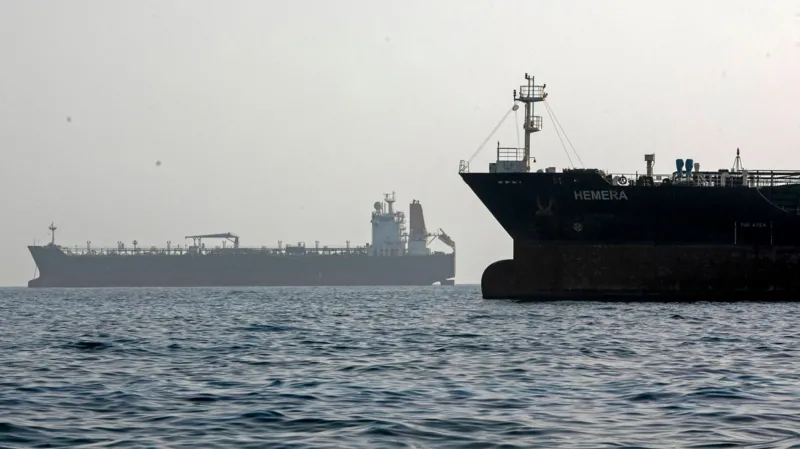
The global political significance of each strike now extends well beyond the immediate military exchange. The Strait of Hormuz, the narrow waterway targeted by both sides as a pressure point, carries approximately one fifth of the world's oil and liquefied natural gas shipments under normal operating conditions. Its effective closure since the US and Israel launched the initial strikes against Iran on February 28 has placed sustained upward pressure on global fuel prices, disrupted fertiliser supply chains, and forced energy-importing governments across Asia, Europe, and Africa to scramble for alternative supply arrangements at significant cost. Every weekend of renewed strikes is another weekend in which the commercial tanker traffic that the world economy depends on remains suppressed, and every failure to reach a deal is another data point that the international community uses to assess the reliability of US-led diplomatic frameworks.
Kuwait's involvement added a further dimension to the weekend's events that carries significant geopolitical weight. Kuwaiti military officials confirmed they were confronting hostile missile and drone attacks using their air-defence systems, though they did not specify the origin of the projectiles. Tehran had already struck an air base in Kuwait the previous week in response to earlier US strikes, making Kuwait an active theatre of the conflict despite being neither a party to the original US-Iran dispute nor a formal combatant. For Gulf Cooperation Council members watching the conflict from Riyadh, Abu Dhabi, and Doha, the extension of Iranian strikes to Kuwaiti territory represents exactly the kind of regional escalation they have been pressing Washington to prevent through a negotiated settlement, and the weekend's events will intensify that pressure on the Trump administration to either reach a deal or explain why the current military posture is the best available option.
Past Escalation: How the April Ceasefire Failed to Hold and Why Kuwait Has Become a Flashpoint
The ceasefire that came into effect on April 8 was presented by the Trump administration as the first tangible sign that military pressure was translating into diplomatic leverage over Tehran. In the weeks that followed, both Trump and senior officials repeatedly signalled that a permanent deal was close, that negotiations were progressing, and that the Strait of Hormuz would soon reopen to normal commercial traffic. Those signals were never accompanied by a formal announcement, and the ceasefire itself was never buttressed by a verified compliance mechanism, monitoring framework, or third-party enforcement architecture of the kind that durable ceasefires require to survive contact with the mutual suspicion and domestic political pressures that both governments are managing simultaneously.
The pattern that emerged instead was one of parallel processes running at incompatible speeds: diplomatic back-channel contacts generating cautious optimism, while military incidents continued to erode the political space needed for a deal to be finalised. The US justified its strikes as purely defensive responses to Iranian provocations, citing mine-laying operations and drone attacks near the strait. Iran justified its retaliatory strikes by the same logic in reverse, arguing that it was responding to US aggression against its sovereign territory and military infrastructure. Both narratives are internally consistent, and both are politically necessary for each government's domestic audience, but their co-existence makes de-escalation structurally very difficult without a formal agreement that both sides can point to as the reason for stopping.
Kuwait's transformation from a passive host of US military infrastructure into an active target of Iranian strikes reflects the geographic and political logic of the conflict's expansion. The Al-Jaber and Ali Al-Salem air bases in Kuwait have long been among the most significant US military installations in the Gulf region, and Iran's decision to strike them directly signals a deliberate choice to raise the cost of hosting US forces for America's Gulf partners. That decision carries substantial geopolitical risk for Tehran, because it threatens to alienate Qatar, Kuwait, and other Gulf states that have been serving as diplomatic intermediaries between Washington and Tehran, and whose continued participation in the mediation process is one of the few structural assets keeping the door to a negotiated settlement open.
Present Standoff: What Trump's Deal Edits, Iran's Dismissal, and the 60-Day Framework Mean for Global Order
The most consequential political development of the weekend was not the military exchange itself but the revelation that Trump had requested changes to the latest version of a proposed deal, changes that Iran promptly dismissed as "speculation." The framing matters enormously in global political terms. When a president requests edits to a draft agreement that his own negotiators have been constructing, it signals either that the deal as written does not yet meet his political requirements or that he is using the edit request as leverage to extract further concessions before signing. Neither reading is reassuring for the international partners, Gulf state mediators, and energy markets that have been pricing in the probability of an imminent agreement.
The deal framework as described by CBS News, the BBC's US partner, includes a 60-day cessation of violence, a commitment to reopen the Strait of Hormuz to commercial shipping, and a framework for reopening negotiations on Iran's nuclear programme. Each of those three elements represents a significant political achievement in isolation. Together they represent a potential foundation for a durable regional security arrangement. But the 60-day timeframe also reveals the depth of the trust deficit between the two sides: rather than a permanent agreement, what is being negotiated is an extended pause that would allow both governments to begin the far harder work of addressing the nuclear question without the immediate pressure of an active shooting war. Whether that structure is robust enough to survive the domestic political pressures that both Trump and Iranian leadership face is the central question that global powers from Beijing to Brussels are watching most carefully.
Iran's dismissal of Trump's edit request as "speculation" is a diplomatic signal worth parsing carefully. It does not constitute a rejection of the deal framework itself, nor does it confirm that Tehran is walking away from the table. What it does is create public distance from a negotiating process that Iran's government cannot be seen to be rushing or capitulating to, given the domestic political constraints imposed by hardliners who view any agreement with Washington as a strategic defeat. The IRGC's warning that its response would be "completely different" if US aggression continues is a parallel signal aimed at the same domestic audience: that Iran is negotiating from strength, not desperation, even if the economic reality of sanctions, frozen assets, and a closed strait suggests otherwise. Managing that gap between public posture and negotiating reality is the core diplomatic challenge that intermediaries including Qatar, Oman, and European foreign ministers are working to bridge, and the weekend's events made their task significantly harder.