
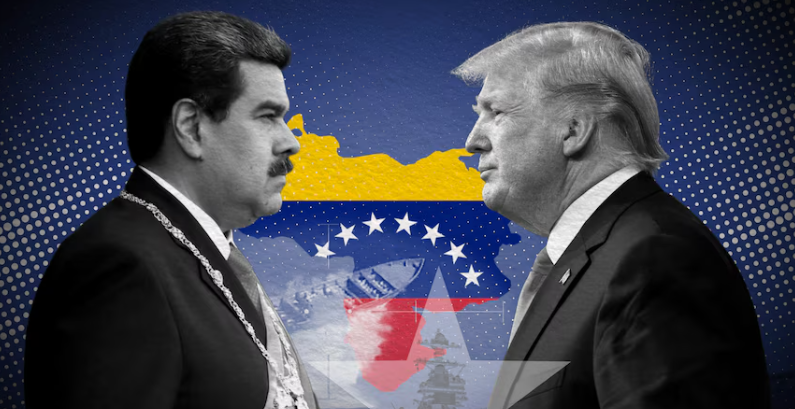
US Venezuela relations 2026 continue to shape regional politics amid ongoing diplomatic tensions and economic sanctions. This article provides a detailed timeline and expert analysis on the evolving relationship between the two nations. This ongoing tension impacts not only both countries but also the wider Latin American region. This article provides a deep dive into the history, recent developments, and future prospects of US-Venezuela relations in 2026.
A Historical Struggle
Since Hugo Chávez took office in 1999, Venezuela’s government has often found itself at odds with the United States. Chávez’s socialist agenda and open criticism of US policies set the tone for decades of strained relations. By the mid-2000s, these tensions intensified as Venezuela aligned with countries often seen as adversaries by Washington.
The situation escalated in 2014 when the US imposed sanctions targeting Venezuelan officials amid allegations of human rights abuses. Further sanctions followed under the Trump administration in 2017, citing political repression and economic mismanagement. The US’s recognition of opposition leader Juan Guaidó as interim president in 2019 marked a significant diplomatic rupture.
Timeline of Key Events: 2023 to Present
2023: Venezuela’s economic crisis deepened, with ongoing US sanctions. Despite official rigidity, secret diplomatic backchannels hinted at a possible thaw. Venezuela condemned what it called “economic warfare” by Washington.
2024: Regional elections in Venezuela were marred by opposition claims of fraud, drawing condemnation from the US. High-level talks between the two countries sparked cautious optimism, while US lawmakers debated easing sanctions tied to democratic reforms.
2025: Venezuela began releasing political prisoners under international pressure. The US maintained sanctions but introduced humanitarian aid packages. Military exercises near US-aligned Caribbean nations raised regional security concerns.
2026: Early this year, drone strikes on Venezuelan infrastructure led to accusations against the US, which called for investigations. Multilateral talks facilitated by the United Nations commenced, though mutual distrust persists.
The Core Issues
Economic sanctions remain a central point of contention, aimed at pressuring Nicolás Maduro’s regime by targeting Venezuela’s oil sector and government officials. These sanctions have severely impacted Venezuela’s economy and humanitarian conditions.
Political recognition remains deeply divisive. The US’s support for Juan Guaidó challenged Maduro’s legitimacy, worsening diplomatic ties.
Human rights concerns and accusations of election fraud fuel US criticism and justify punitive measures. Meanwhile, Venezuela’s alliances with Russia, China, and Iran complicate efforts by Washington to isolate the regime.
Security risks have increased with military posturing and incidents like drone attacks, heightening fears of conflict escalation.
Regional and Global Ramifications
The US-Venezuela standoff has profound effects on Latin America. Refugee flows strain neighboring countries, trade disruptions unsettle regional economies, and political alliances shift unpredictably. Globally, Venezuela’s partnerships with Russia and China insert the conflict into broader geopolitical rivalries.
Voices from the Experts
Maria Gutierrez, a diplomatic analyst, observes, “The impasse largely stems from deep mutual distrust. Progress requires guarantees for political reforms in Venezuela and phased sanction relief from the US.”
Security expert James Caldwell warns, “Military incidents risk accidental escalation. Confidence-building measures and transparent communication channels are urgently needed.”
Regional observer Ana Morales notes, “Latin American countries are increasingly calling for peaceful solutions, wary of prolonged instability and humanitarian fallout.”
What Lies Ahead?
Key developments to watch include the outcomes of ongoing UN-facilitated talks, potential changes in US Congressional sanctions policy, Venezuela’s domestic political maneuvers, and humanitarian aid efforts. Regional reactions from neighboring states and international organizations like the Organization of American States will also be critical.
Conclusion: A Diplomatic Crossroads
The US-Venezuela relationship remains one of the Western Hemisphere’s most challenging diplomatic issues. While recent dialogue offers a glimmer of hope, decades of conflict and opposing interests mean that meaningful progress will require patience, compromise, and sustained international engagement.